
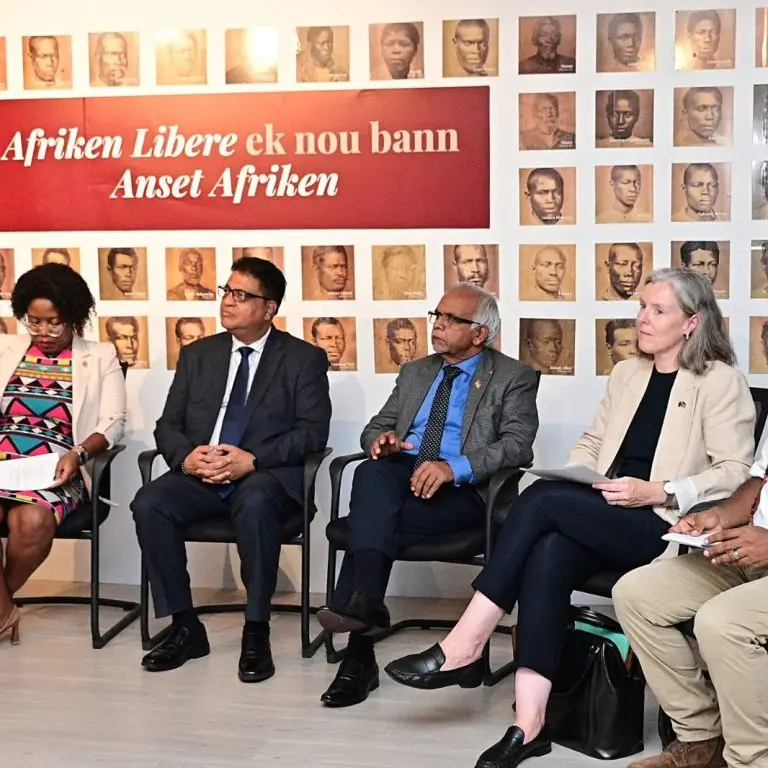
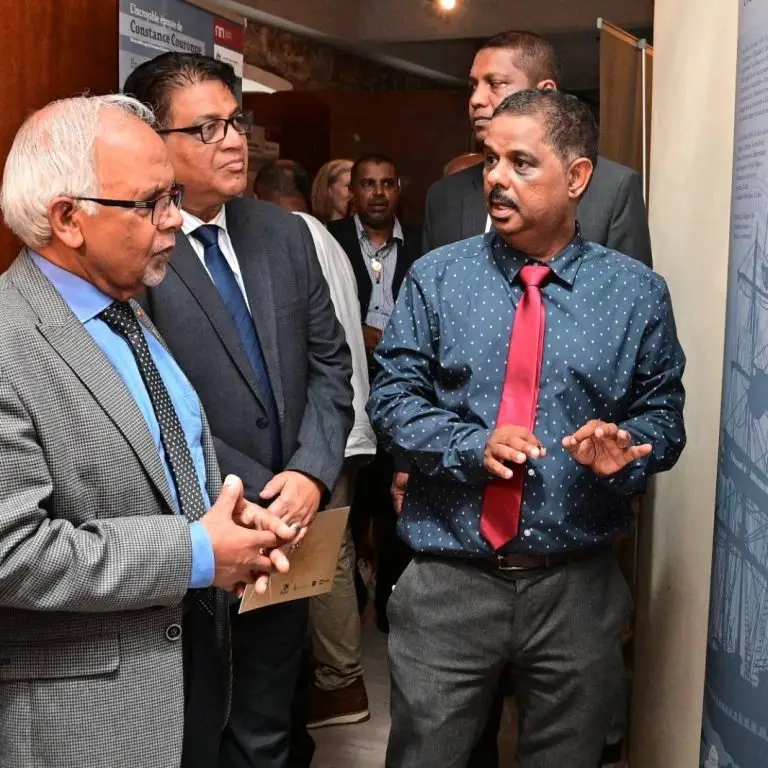
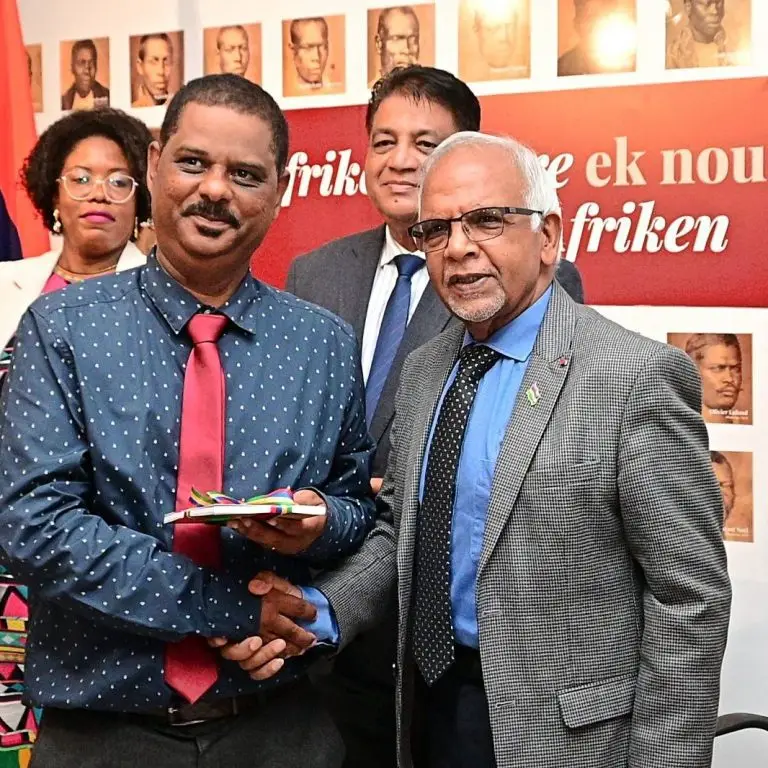
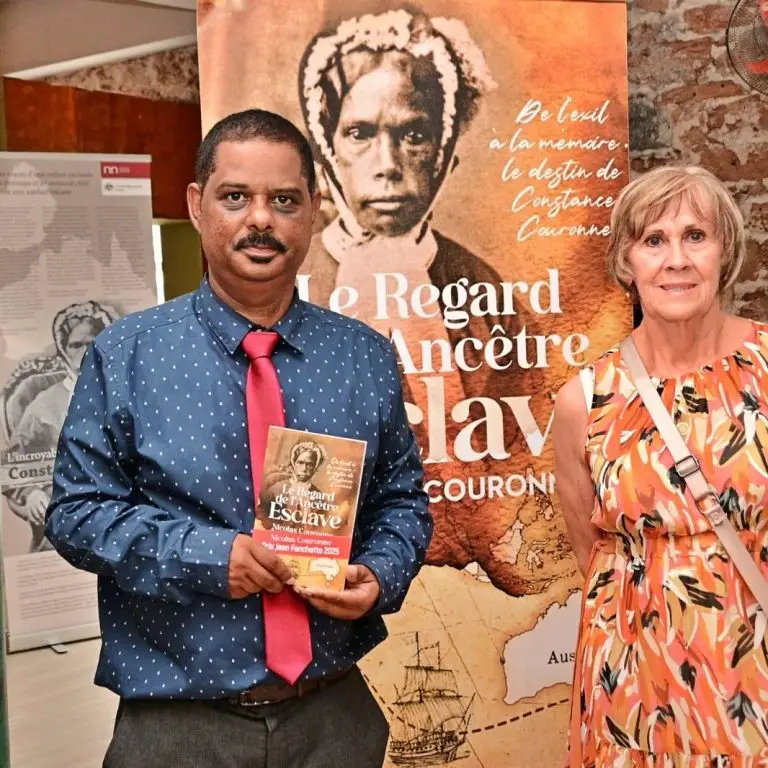
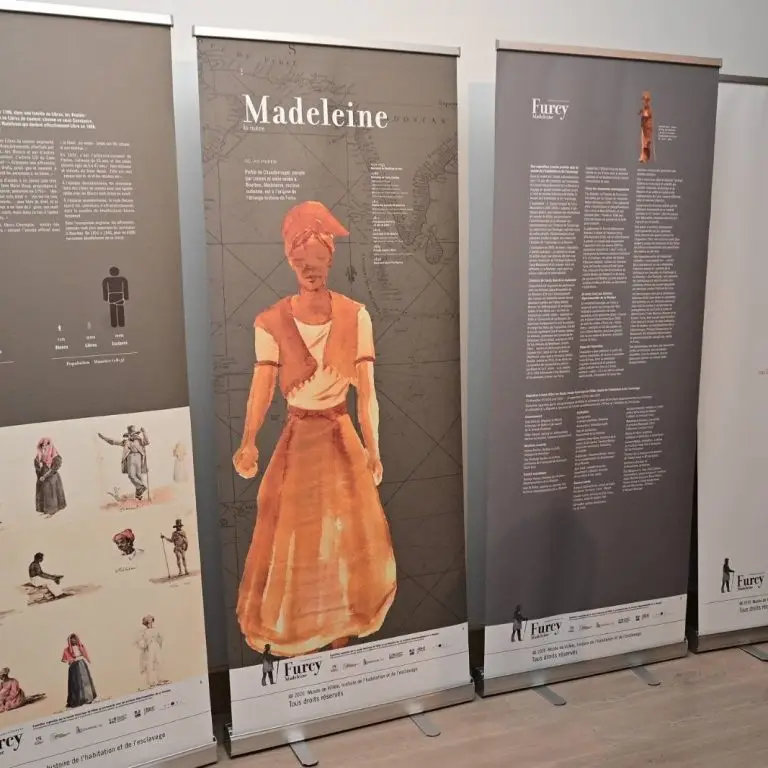
Constance Couronne, Furcy Madeleine, Anna van Bengale, and others are not just names but voices of resistance, dignity, resilience, and agency that compel us to rethink about how we narrate history.
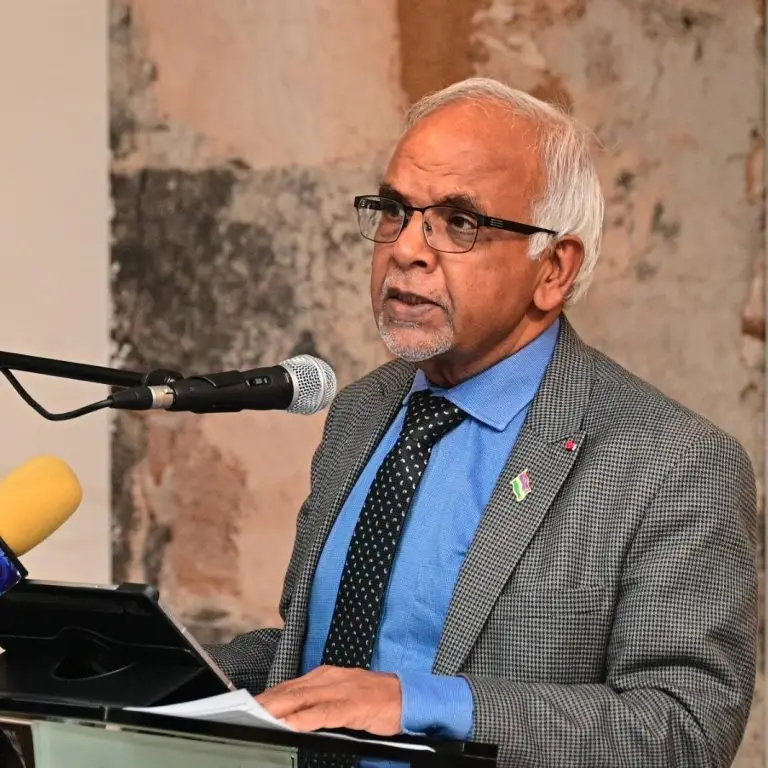
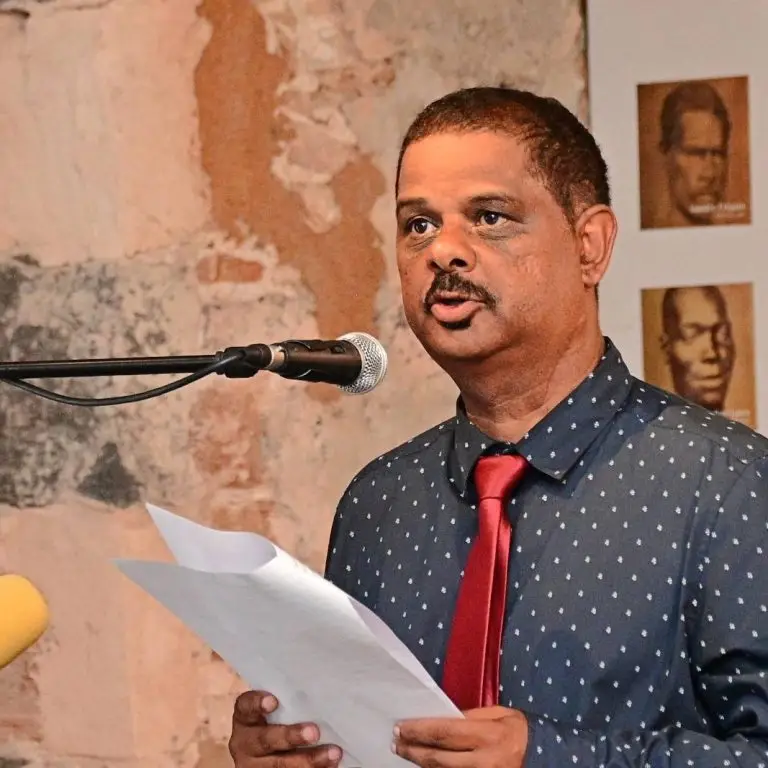
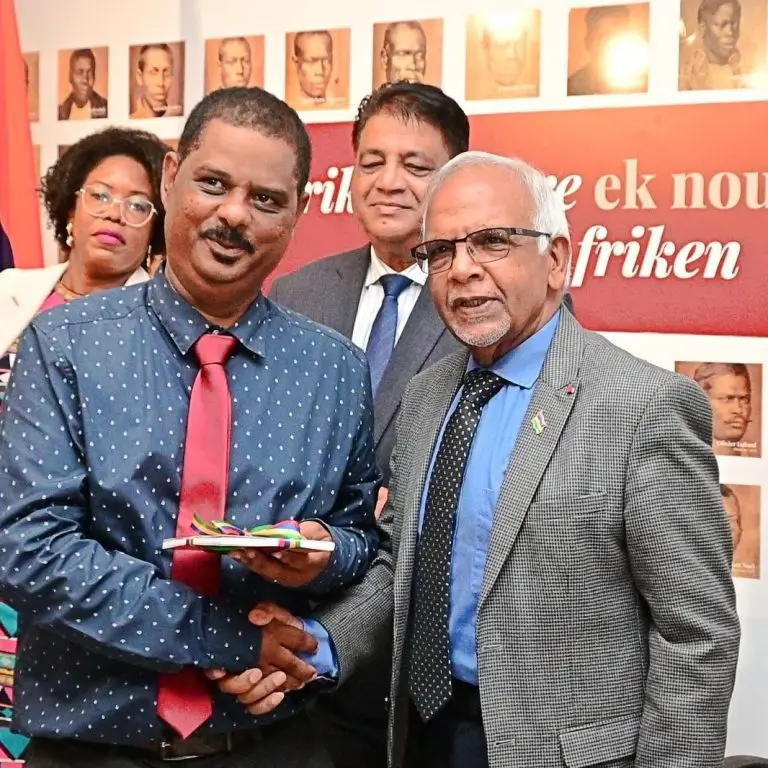
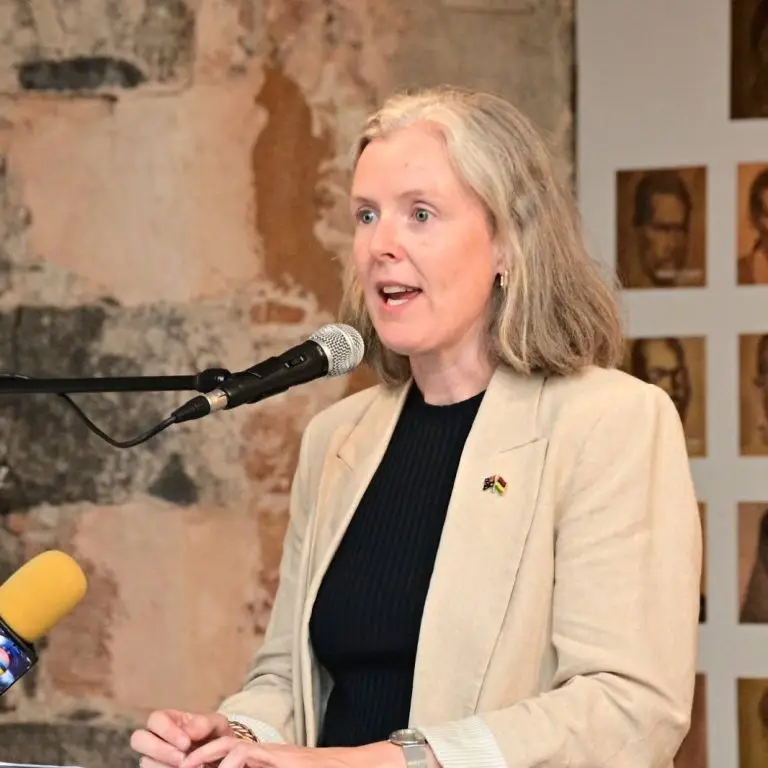
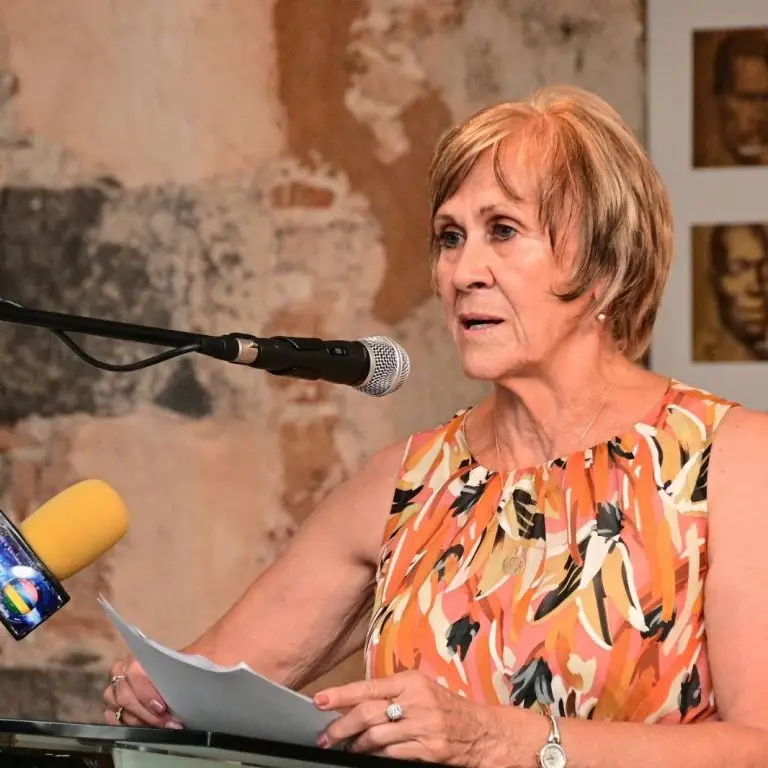
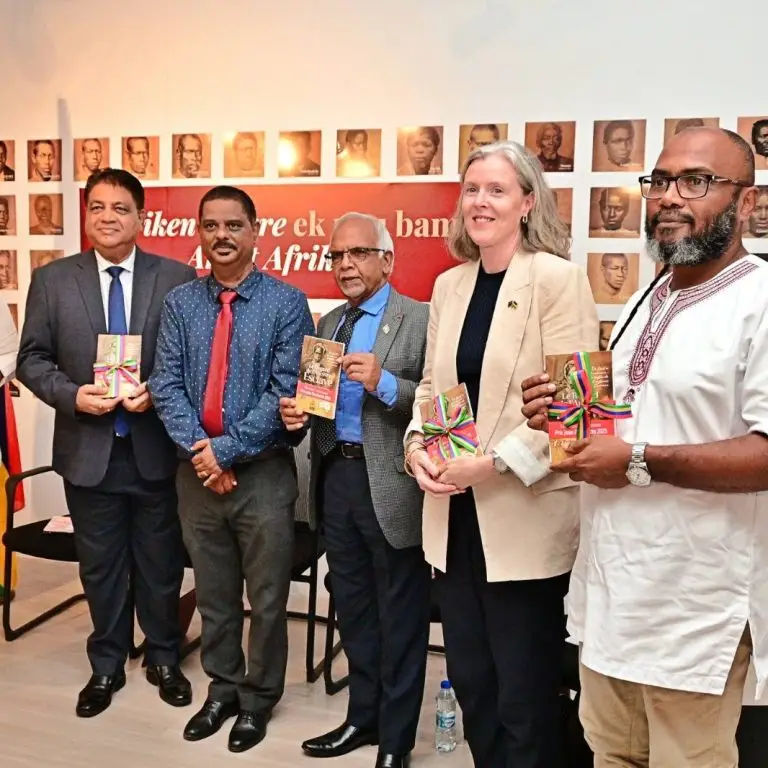
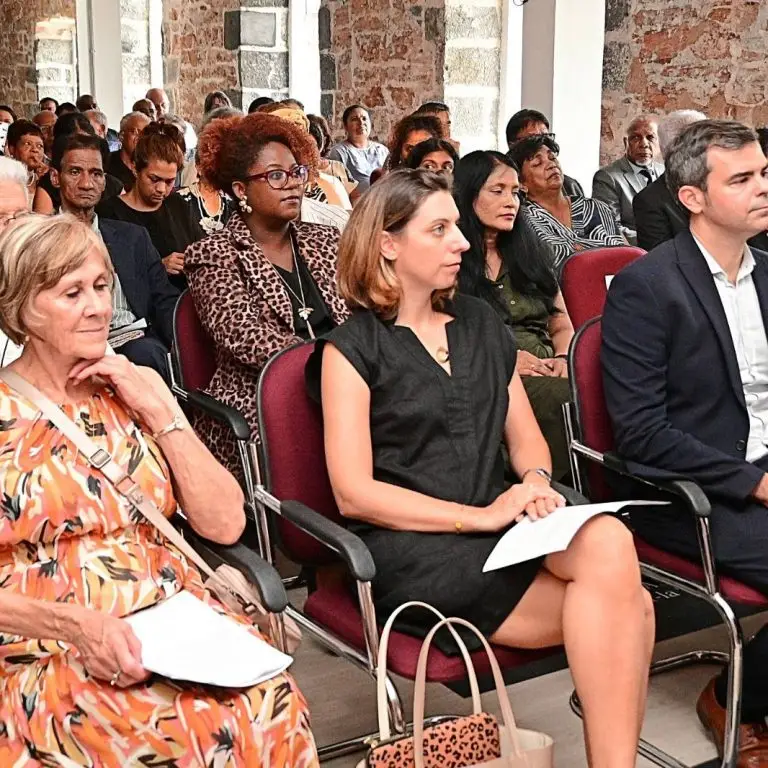
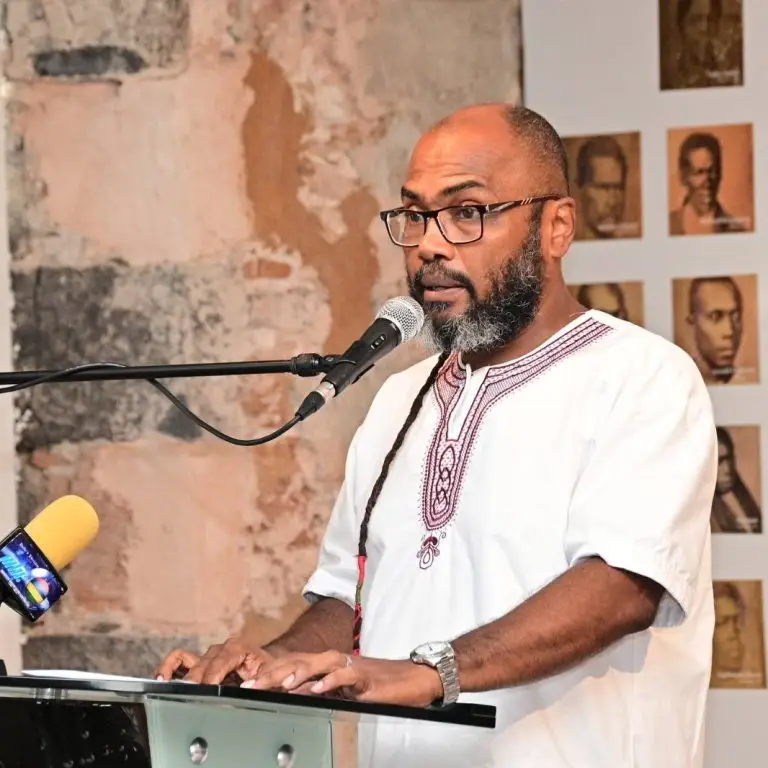
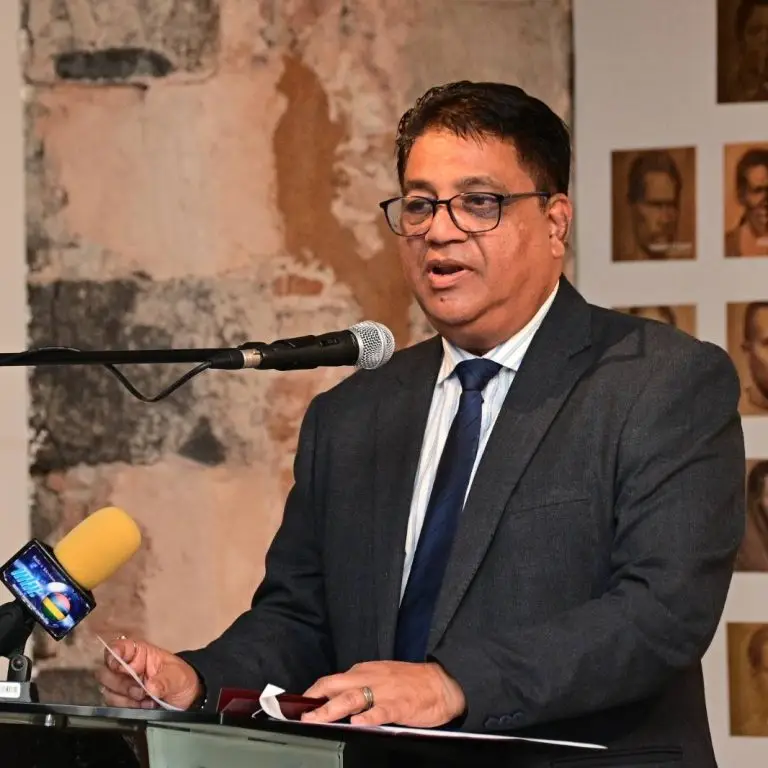
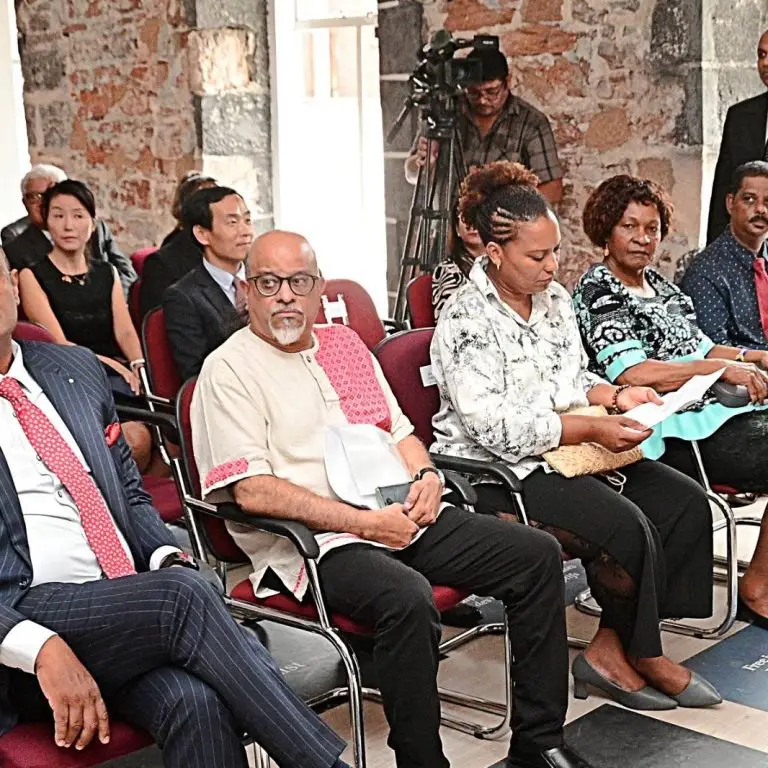
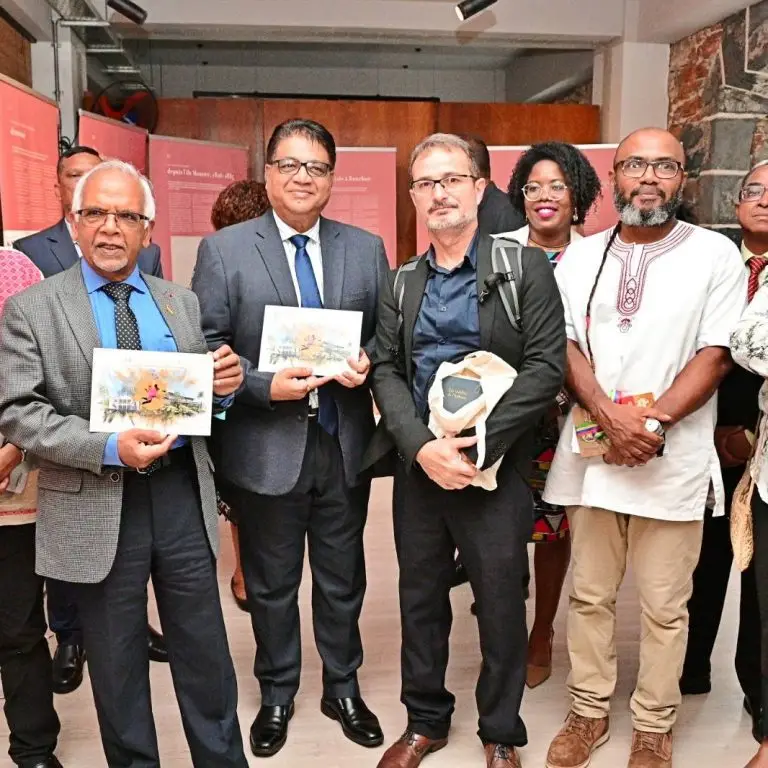
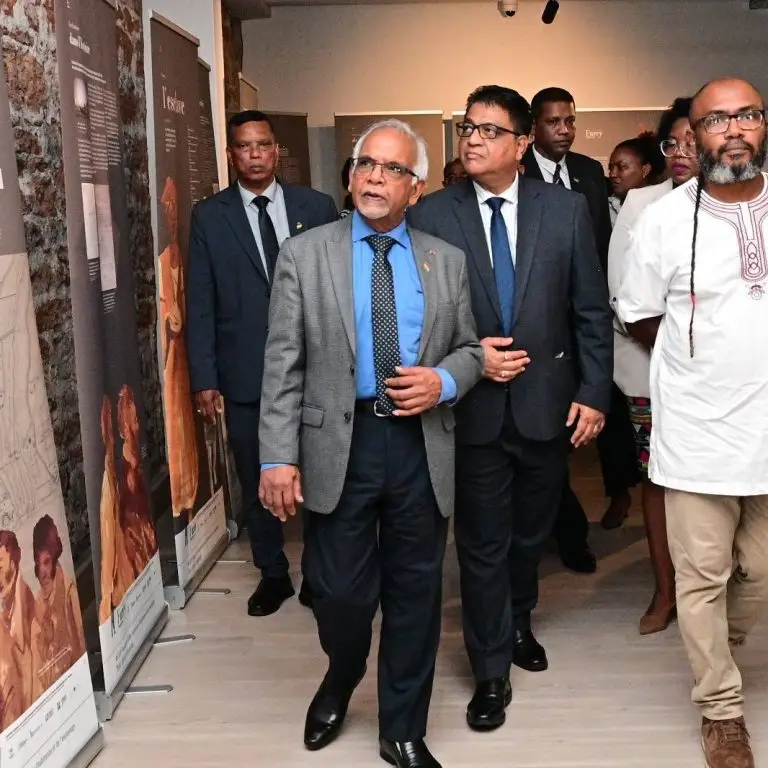
This is why, during the dual exhibition on Constance Couronne and Furcy Madeleine at the Intercontinental Slavery Museum yesterday – commemorating the 191st anniversary of the abolition of slavery – I reiterated that we must confront an uncomfortable truth:
Our Afro-Malagasy connections today remain among the least understood and least nurtured strands of our national heritage.
Our devoir de mémoire cannot end with commemoration. It must lead to reconnection.
I call upon institutions such as the ISM to assume a pioneering, pivotal role in rebuilding bridges and restoring a sense of belonging rooted in truth – through cultural pilgrimages, research journeys, artistic exchanges, and people-to-people links with Africa and Madagascar.
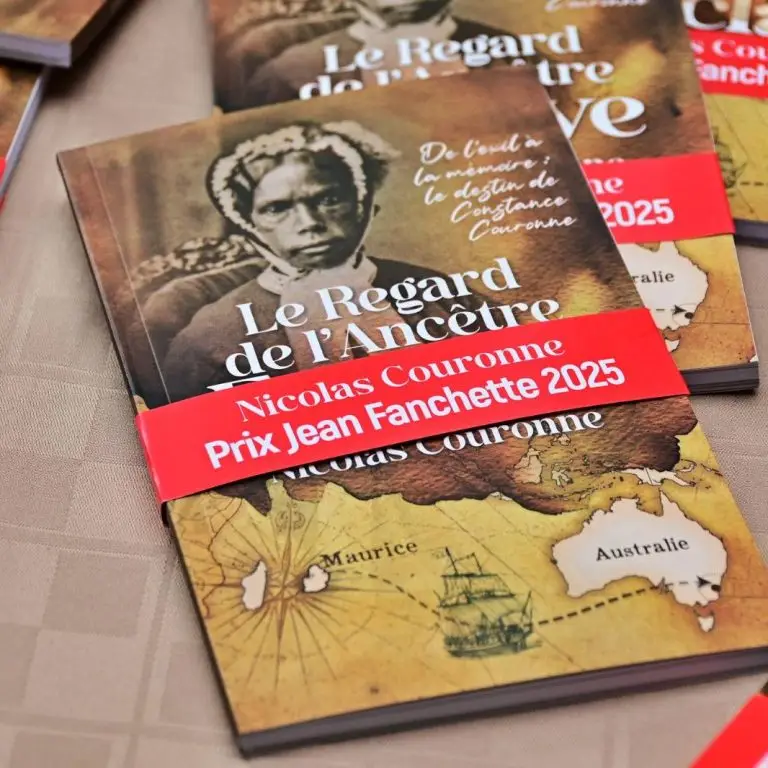
I commend Nicolas Couronne for his deeply personal and rigorous exploration of the life of his ancestor, Constance Couronne, through his book “Le Regard de l’Ancêtre Esclave”, which won the Prix Jean Franchette 2025.
Research across the wider Indian Ocean world confirms that Mauritius was never a “land belonging to no one” and has been multicultural from the very beginning.
There must be no parallel histories, no selective memory.
Slavery, indentured labour, and other forms of unfree labour form a single, continuous historical process that shaped who we are as a people.
They speak of legacies and universal values beyond the filters of community, caste, race, or religion.
They cannot – and must not – be told as separate chapters.
Only by knowing all our stories can we build a Republic that is just, cohesive, and truly unshakable. As One People, As One Nation.