❓What happens to our social media accounts, cloud archives, messages, biometric data and digital memories after we die?
➤Should we all have a digital will that determines who can access, preserve or erase our digital footprint after death?
➤Who can consent to an AI replica of someone who is no longer with us?
➤How do we protect families from the grief caused by digital ghosts and algorithmic reminders?
Most conversations around digital transformation and artificial intelligence focus on how technology affects the living.
We seldom pause to consider those who are no longer physically with us, yet whose identities, memories and digital footprints continue to exist online.
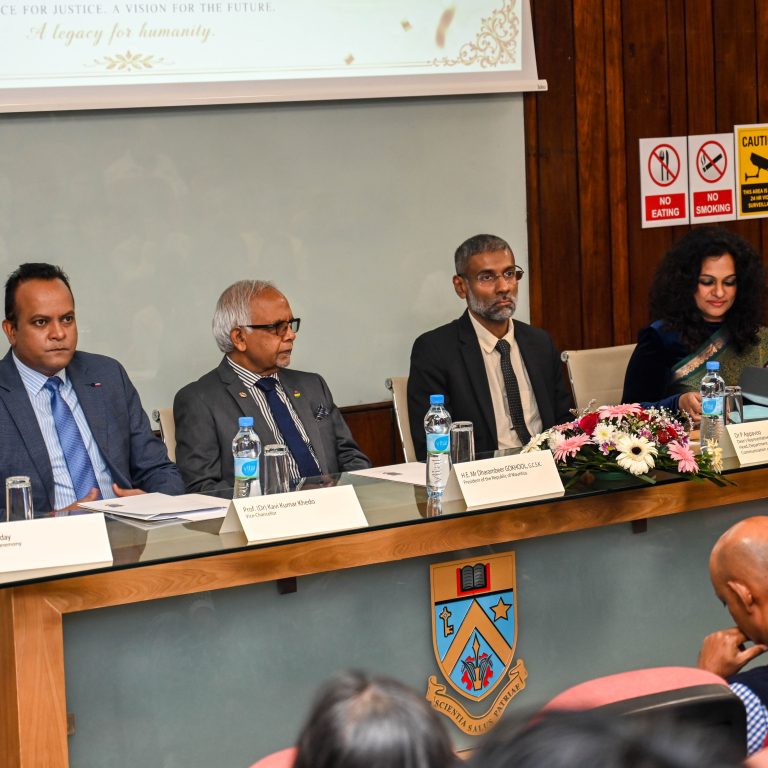
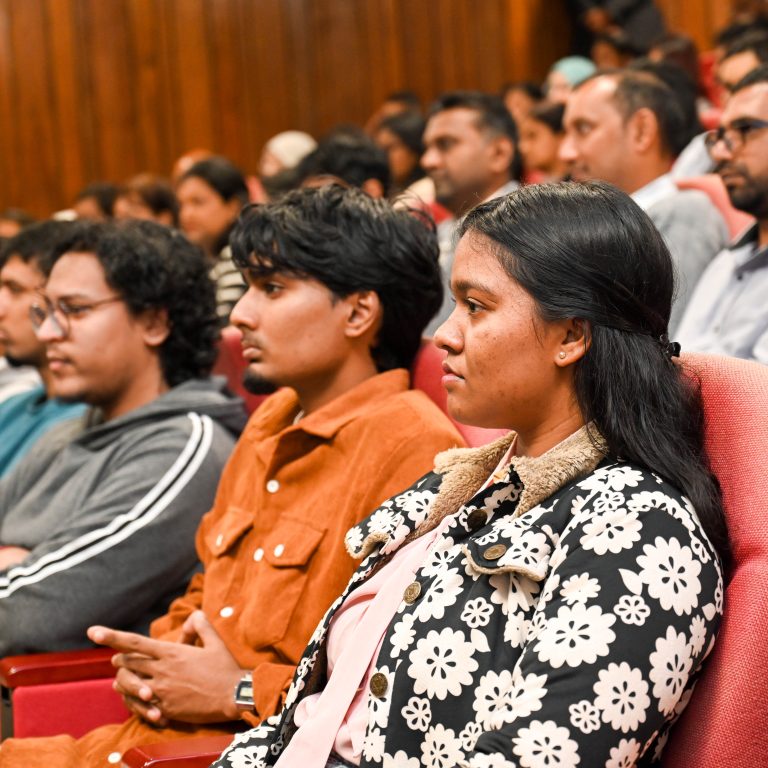
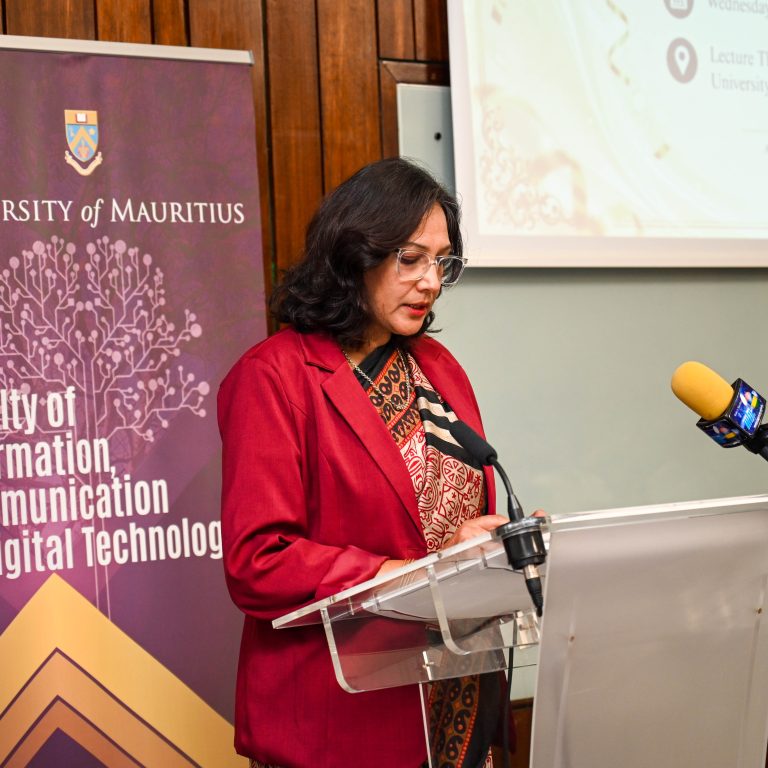
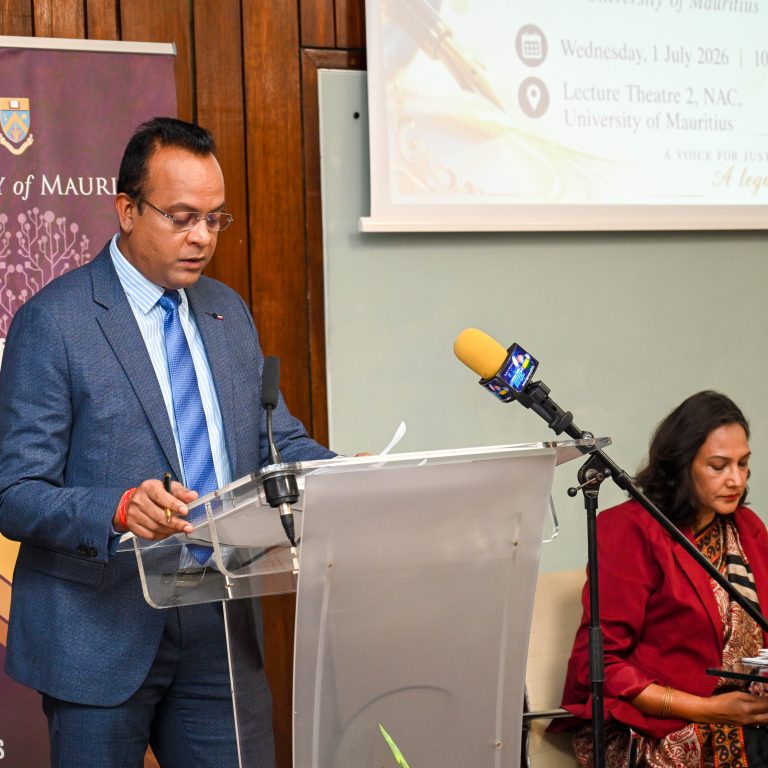
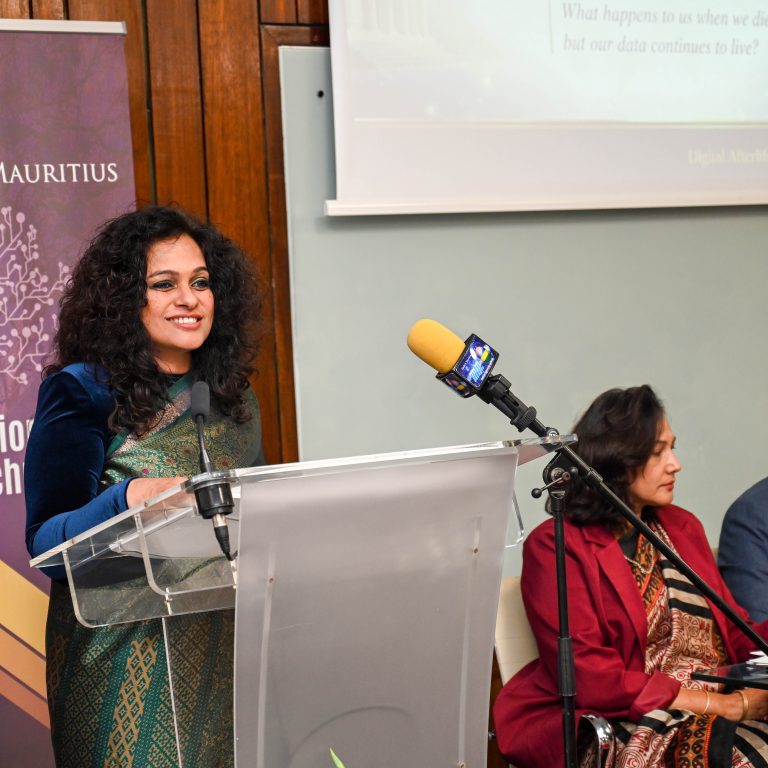
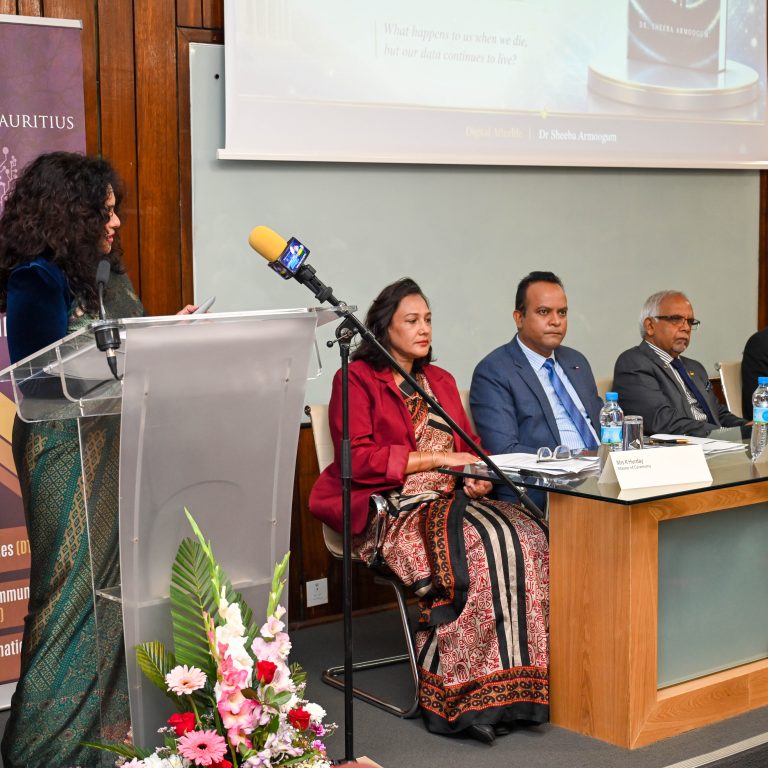
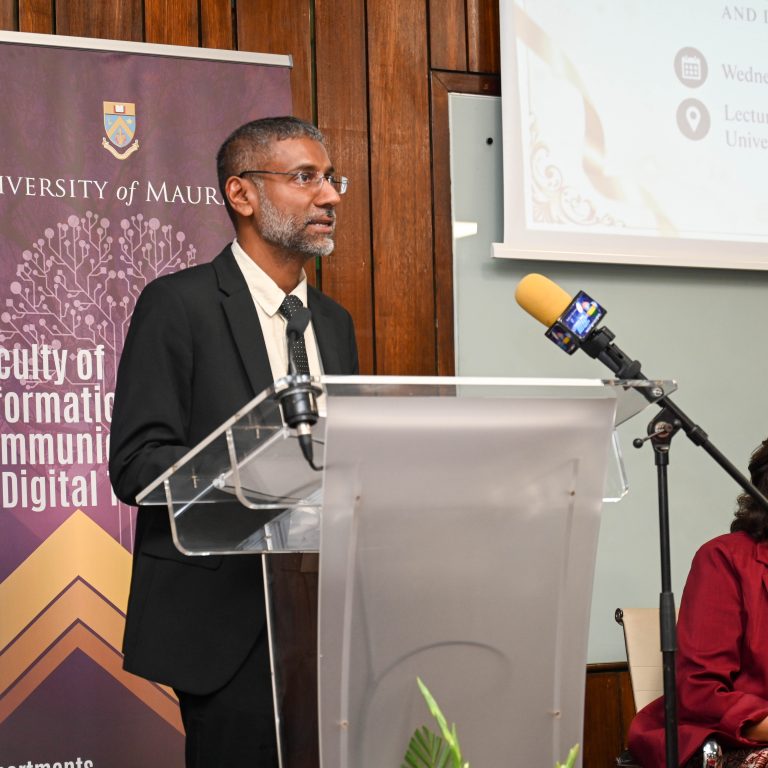
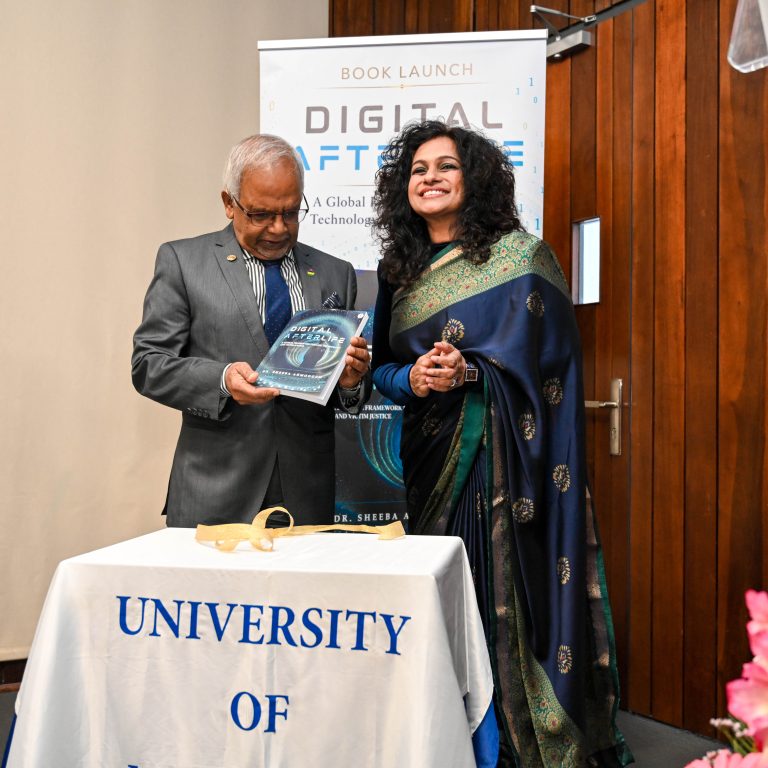
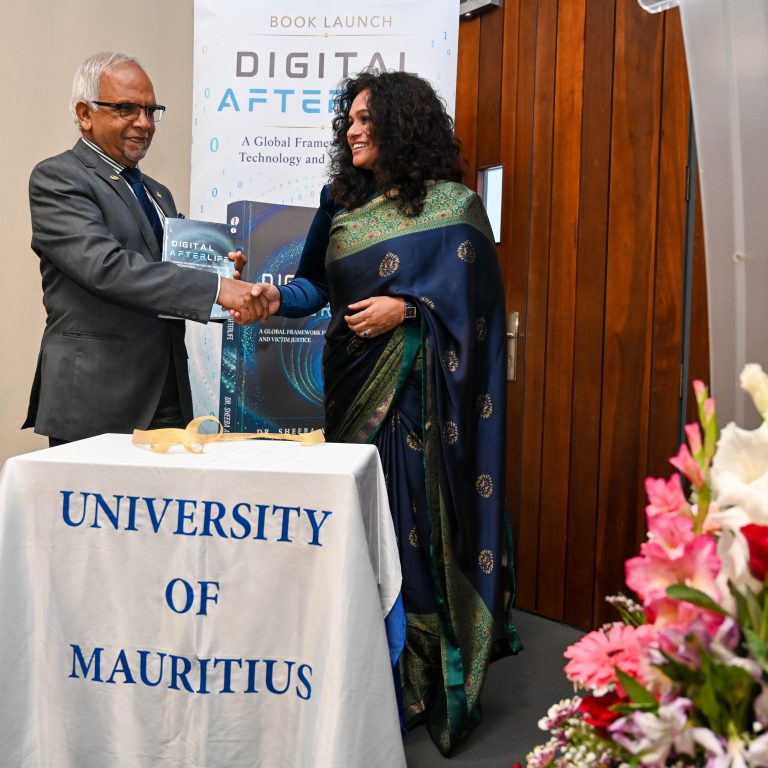
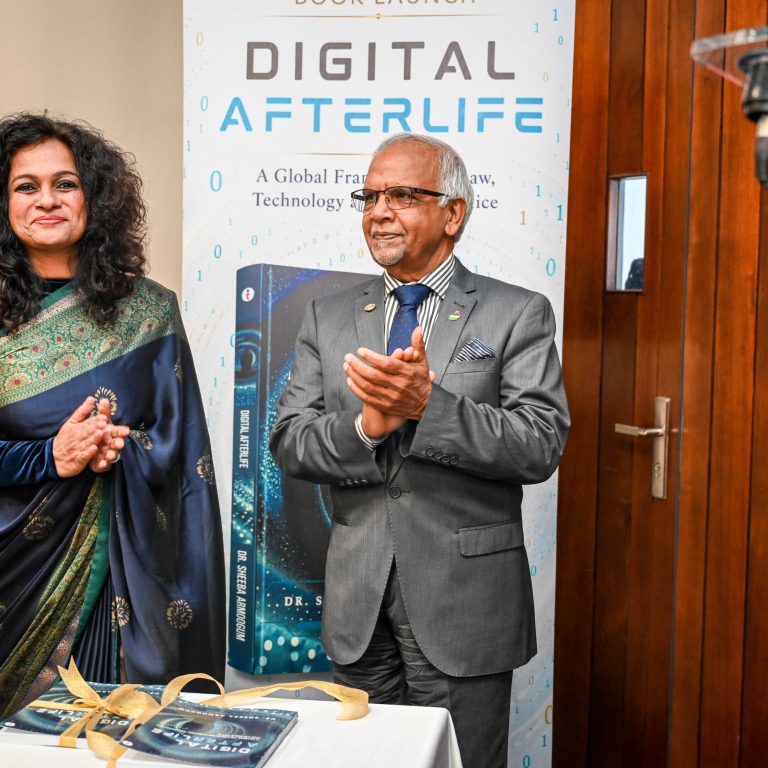
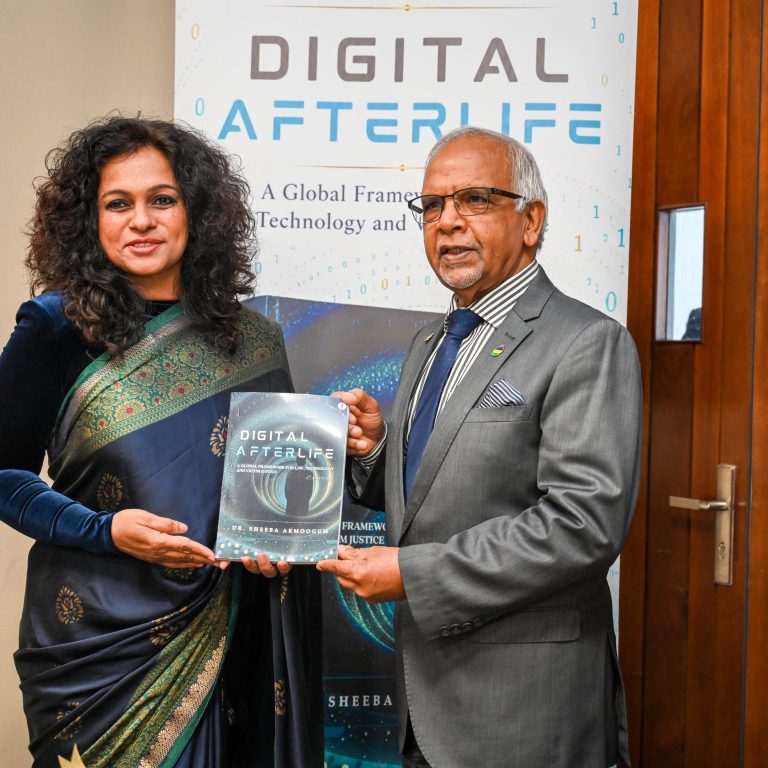
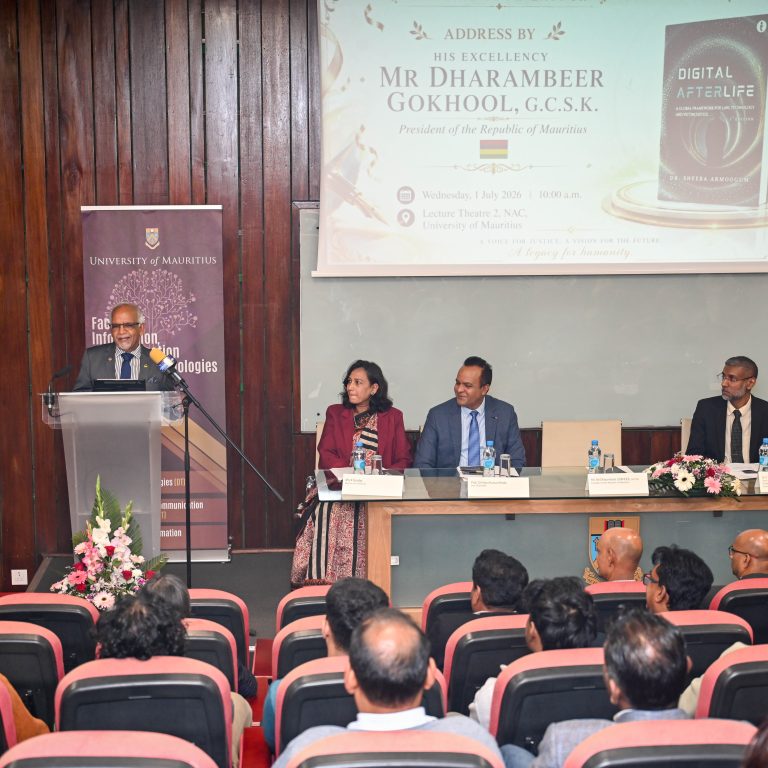
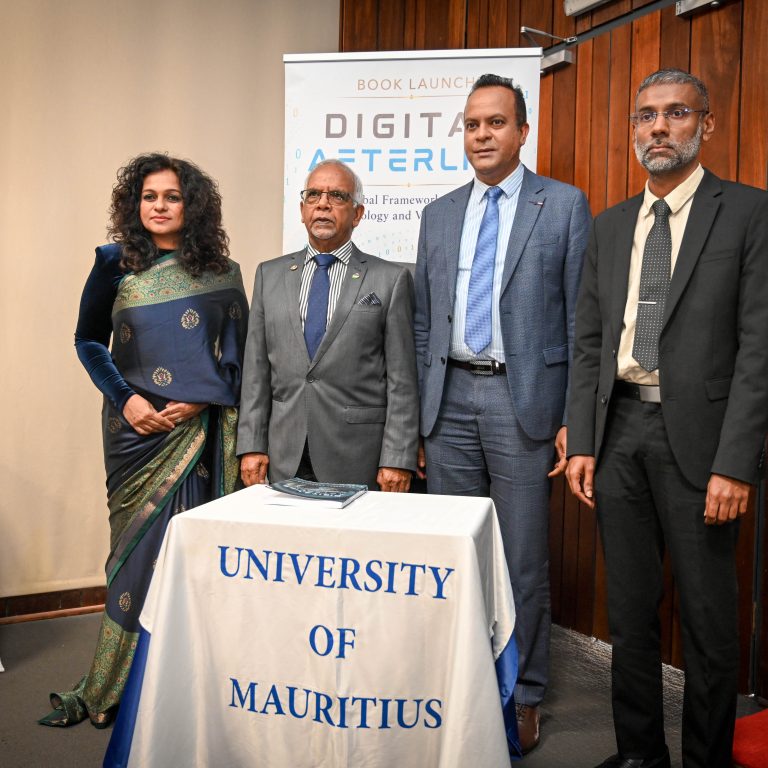
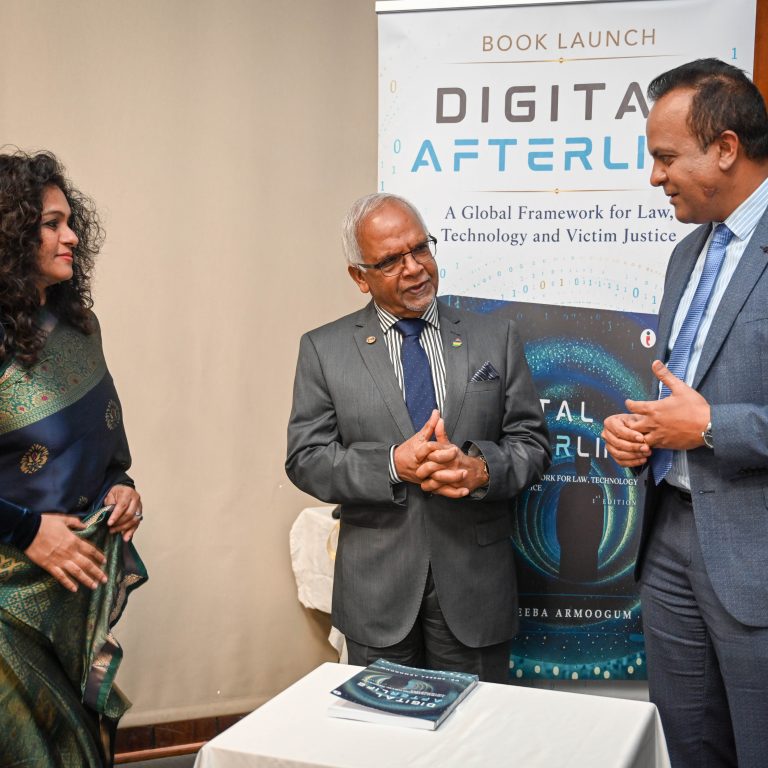
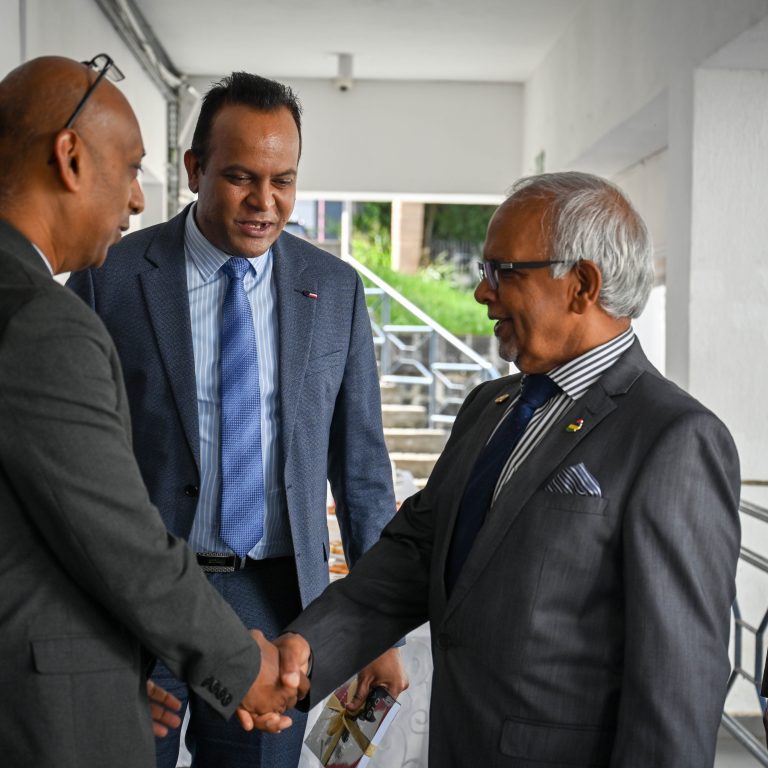
These were among the profound questions explored at the University of Mauritius this morning as President Gokhool officially launched “Digital Afterlife: A Global Framework for Law, Technology, and Victim Justice.”
Authored by Associate Professor and Researcher Dr Sheeba Armoogum, this pioneering publication examines the legal, ethical and technological challenges surrounding our digital afterlife:
From digital ghosts and AI-generated replicas to cybersecurity, victim justice and posthumous digital rights.
It also proposes a comprehensive Digital Charter to safeguard human dignity in an increasingly digital world.
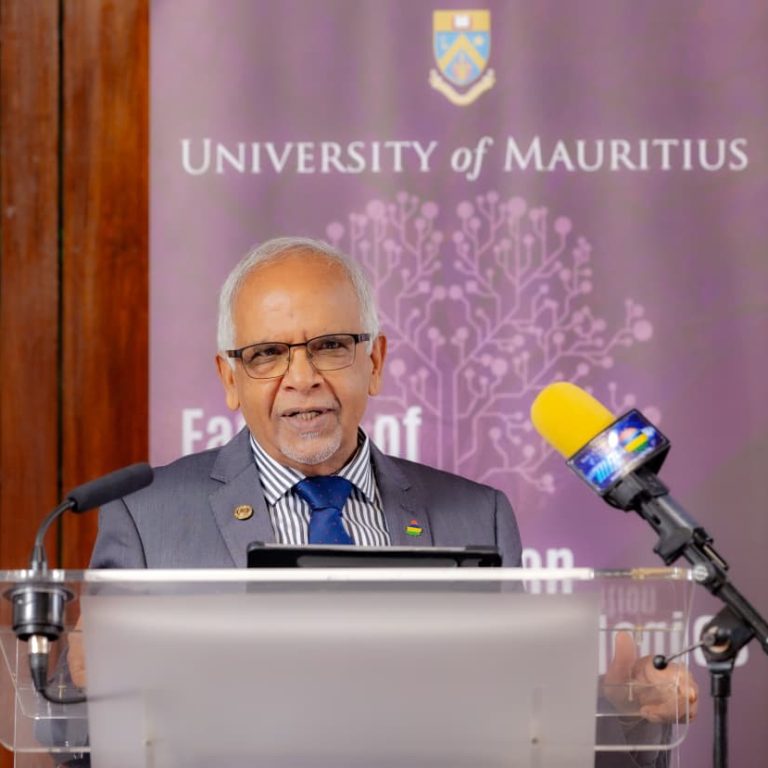
In his address, President Gokhool noted that while every recommendation put forward may not ultimately be adopted, the conversation itself is one that society can no longer afford to postpone.
He further stressed that technology should never be judged solely by what it is capable of doing, but by whether it serves humanity with wisdom, fairness and compassion.